
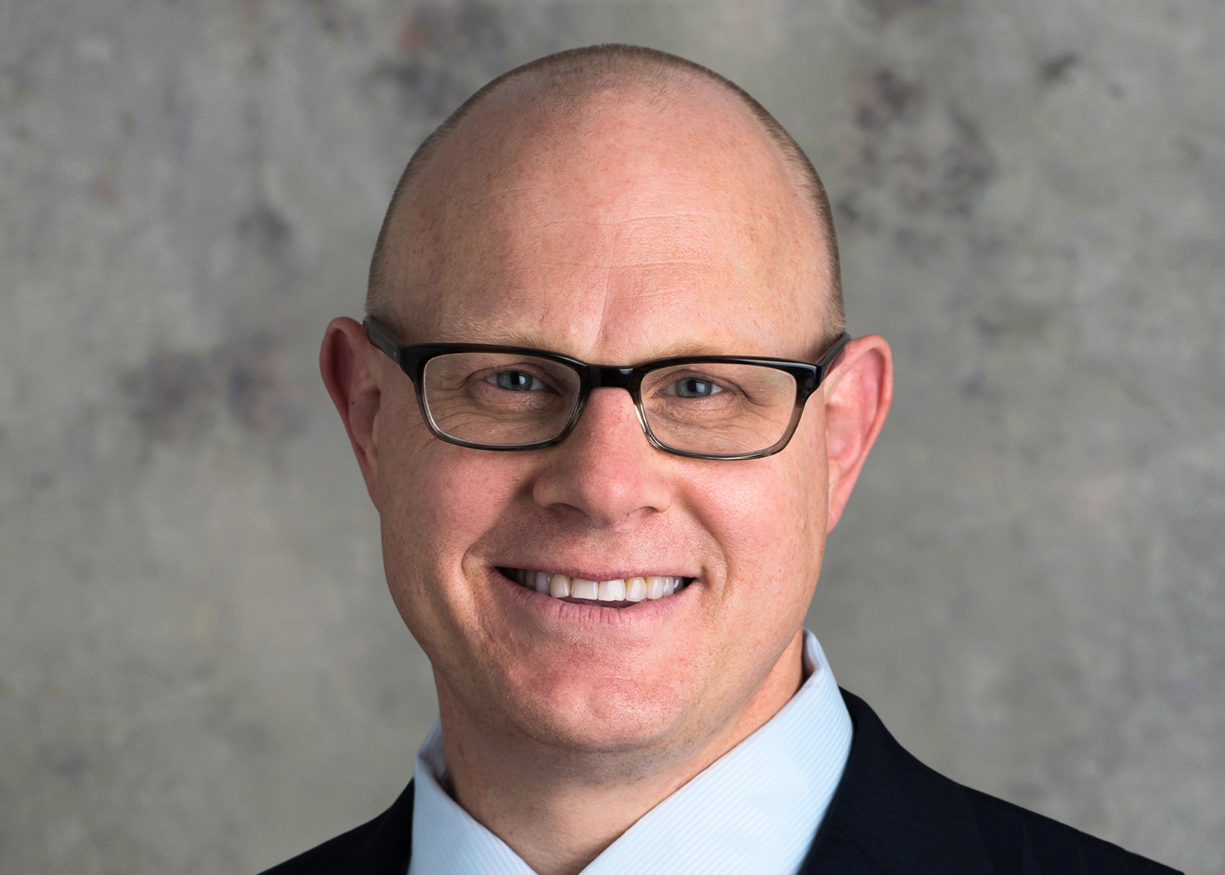
When a McMullen County jury returned a $41.8 million verdict against Energy Transfer affiliate ETC Field Services in February 2023, the result hadn’t materialized overnight. Todd Mensing, a Houston litigator who served as lead trial counsel for plaintiff SilverBow Resources, had spent years on the case before the first juror was seated. The litigation, which alleged subsurface trespass from injection well operations, required geological modeling, petroleum engineering analysis, and economic damage calculations that had to be assembled, tested, and refined long before trial.
That kind of preparation is the norm for the commercial trials Mensing and AZA handle. Compressing it into a few weeks before a court date isn’t an option when tens of millions of dollars are at stake. The firm’s documented trial record, which includes the SilverBow verdict, a $22.32 million federal jury award for the Port of Houston Authority, and a recent $200 million defense win in the Texas Business Court, shows a pattern of resource-intensive preparation that begins months or years before opening statements.
How the Todd Mensing Litigator Model Builds a Trial Team
AZA’s trial teams aren’t assembled at the last minute. Mensing’s team for the SilverBow case included partners Taylor Freeman, Jane Robinson, and Cameron Byrd, along with associates Harrison Scheer, Hilary Greene, and Thomas Cooke. The pipeline defense case in the Texas Business Court drew a different configuration: D.J. Ringquist, Nicholas Petree, Brittainie Zinsmeyer, Al Montelongo, and Kelsi White working under Mensing’s lead. Each team was built around the specific demands of its case.
Chambers USA has ranked AZA in its General Commercial Litigation category for 12 consecutive years and described the firm as home to “true courtroom lawyers.” That characterization reflects a staffing model where trial work isn’t handed to associates who’ve never seen a jury; it’s structured around attorneys who’ve been through the process before. Mensing, who has tried over 60 cases, is board certified in Civil Trial Law by the Texas Board of Legal Specialization, An average of fewer than five attorneys per year statewide typically earn the distinction.
Mensing assembles his teams to suit the particular needs of each case. For instance, like a coach thinking about matchups, Mensing considers the other side’s witnesses and chooses the right attorney to cross-examine that witness. Viewing the reaction of the jury to trial team members during the trial itself, Mensing will shuffle assignments, in one case choosing a young associate to deliver closing that Mensing thought the likely foreman was identifying with by observing the juror’s reactions throughout the trial.
Mensing also requires his team to constantly workshop the case as it develops. Mensing explains, “We always need to re-identify the essential truths of the case—the facts neither side can credibly dispute. That means acknowledging your weaknesses, seeing if you can flip them, and if you can’t, then seeing if you can neutralize them, and, failing those things, make the case about something else that you are strong on.”
Mensing continues, “Trials are not point contests. They are battles between two stories. The jury is inundated with opposite ‘facts’ and is trying to decide what really happened. In making that judgment, jurors use common sense and experience, instinct, their understanding of human nature and motivations, and go with the story that rings true. Jurors also want to side with the party whose case stands for something bigger, something important, a community value. Jurors are not ‘scoring’ the evidence. They think in terms of gut justice and a result that accomplishes something good. But too many lawyers to into trial thinking that a trial is a debate. I require our attorneys to take off their lawyer hats as we are developing the case and think about it in more human terms. I ask them, “What is our story?’ To win, you must have a powerful and motivating answer to that question, period.”
Expert Witnesses in Energy and Commercial Disputes
Oil and gas trespass trials demand expert testimony spanning multiple disciplines. In the SilverBow case, Mensing needed geological experts to map the migration path of injected hydrogen sulfide and carbon dioxide through subsurface formations. Petroleum engineers had to demonstrate how that migration impaired SilverBow’s ability to drill and produce from its leased acreage. Economic damage witnesses translated those impairments into dollar figures the jury could evaluate.
Each expert carries a specific burden at trial. A geological expert who can’t withstand cross-examination on the boundaries of a subsurface plume undermines the entire trespass claim. An economist whose damages model relies on speculative assumptions about future production invites a Daubert challenge before the jury ever hears the number. Mensing’s role as lead counsel includes vetting those experts during preparation, testing their opinions through internal mock examinations, and sequencing their testimony so each witness builds on the one before. It also required that the experts stay on message with SilverBow’s story of the case: Energy Transfer had made a choice to put its plume in a place where it interfered with people’s rights. And Energy Transfer did not have the right to do that. “Expert testimony is obviously important. But it is one engine powering the plane of your trial story. Your expert helps tell your story. Expert testimony that is not integrated that way causes the plane to go off course and get lost.”
The Port of Houston case required different expertise. That dispute centered on maintenance obligations under a long-term operating agreement for a grain elevator. Translating grain elevator maintenance standards and operator performance benchmarks into a damages framework the jury could quantify was the central challenge at trial. U.S. District Judge Lynn Hughes presided over a four-day trial in the Southern District of Texas, and the jury awarded the Port of Houston $22.32 million for breach of contract. Mensing said, “Let’s face it. Expert testimony about elevator maintenance does not lend itself to drama. Used ineffectively, it becomes dry and tedious and becomes good sleep medication. The challenge was, again, to cast it in terms of the choices the defendant had made along the way, that these choices created dangers that the experts communicated in a way the jurors could feel, and health hazards that could impact the grain, and resulting food supply, making its way into the community. Having the experts relate their opinions through this arc strongly boosted our trial story.”
Jury Selection and the Todd Mensing Approach to Voir Dire
Texas gives trial lawyers considerable latitude during voir dire. Each side receives six peremptory challenges in district court, plus additional challenges if alternate jurors are impaneled. Texas is also the only state that allows a “jury shuffle,” where attorneys can request that the venire be randomly reordered before questioning begins.
In a case like SilverBow, where jurors in McMullen County live in the middle of South Texas oil country, jury selection shapes the entire trial. Jurors with backgrounds in the energy industry may understand subsurface operations intuitively but may also carry assumptions about whether injection wells cause the kind of harm the plaintiffs alleged. Mensing’s job during voir dire is to identify which prospective jurors can evaluate technical evidence objectively and which have formed views that no amount of trial testimony will change. “In a venue with one predominant industry, your panel is going to have many ‘experts.’ Those jurors will take over deliberations no matter the evidence or advocaty. Even if your gut feeling is the self-appointed ‘expert’ on your panel is going to go your way, it is not worth the risk. Trial is too variable and too unpredictable to model how that person is going to react over the course of the trial.”
The Resource Demands of Multi-Week Trials
A trial like SilverBow consumed considerable firm resources over a multi-year period. Pre-trial proceedings included appellate fights over venue that reached the Texas Supreme Court. Depositions of fact witnesses and experts generated thousands of pages of transcript. Demonstrative exhibits, including maps of subsurface formations and timelines of injection operations, required coordination between legal and technical teams.
Most commercial litigation firms settle cases before trial because the preparation costs are substantial and there’s no guarantee about the outcome. AZA’s model runs the other direction. Since 2016, the firm has kept at least one matter in active trial in nearly every calendar month. That pace creates an institutional familiarity with the trial process that shows up in the firm’s results: consecutive defense verdicts in the Texas Business Court, a top-100 national verdict in the SilverBow case, and a pattern of taking cases to judgment rather than settling on the courthouse steps.
For Todd Mensing and AZA, trial preparation doesn’t stop when the jury is seated. The infrastructure behind a verdict gets built case by case, team by team, witness by witness, across the years before the first question is asked. Mensing explains, “From day one, winning a trial requires a requires a constant, honest and repeated re-evaluation of your strengths and weaknesses, the toughest questions your case must answer, and developing a winning story that accounts for both your strengths and weaknesses and does not ignore them, that rings true, and has the moral high ground.”
Continue: John Zavitsanos Named One of Top Law Firm Managing Partners in the Nation
